How to Prepare Your Business for a DPDP Compliance Audit in 2026 | Complete Guide
Learn how to prepare your business for a DPDP compliance audit in 2026. Discover audit checklists, best practices, common mistakes, and how Consent Server helps organisations stay audit-ready.
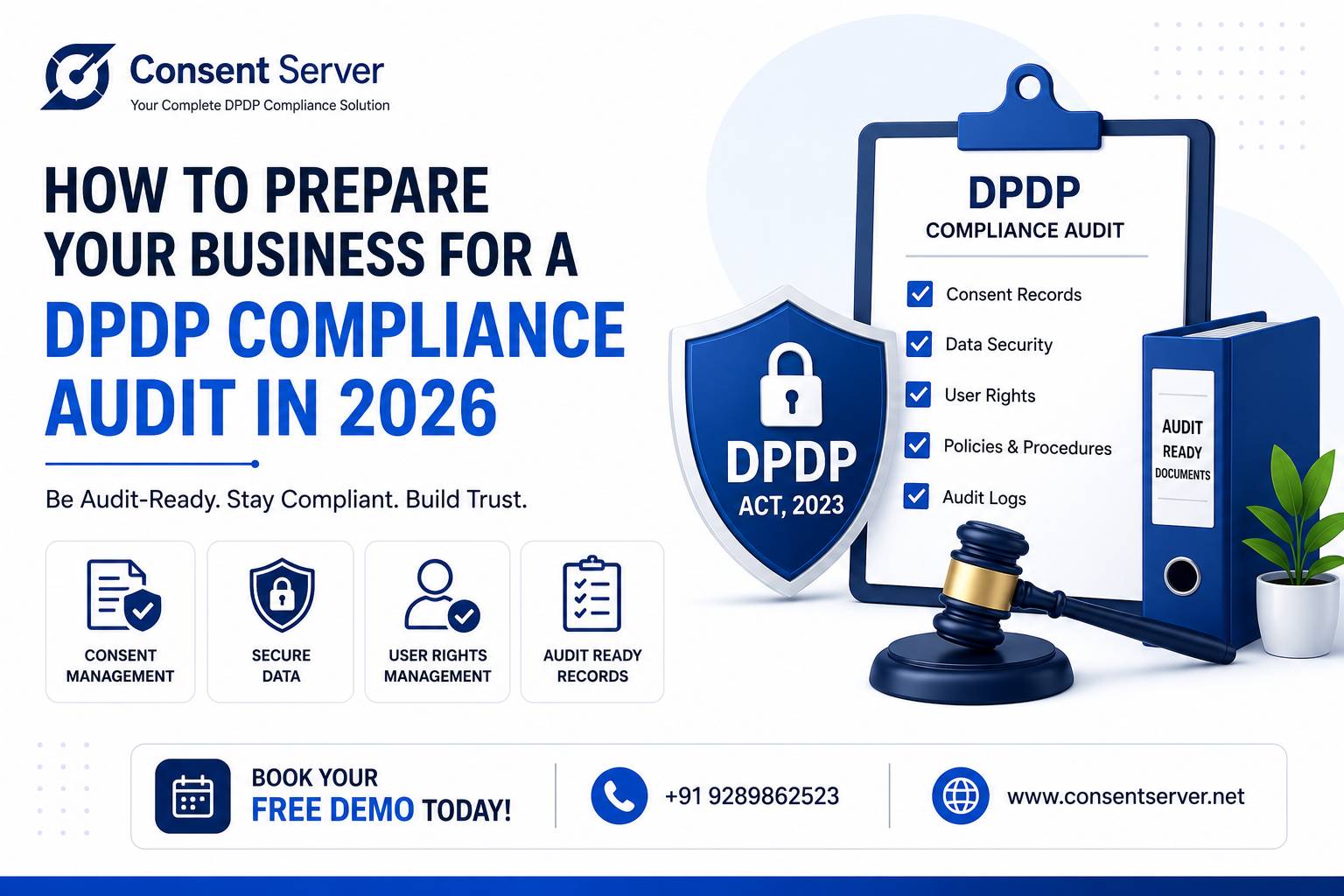
Introduction
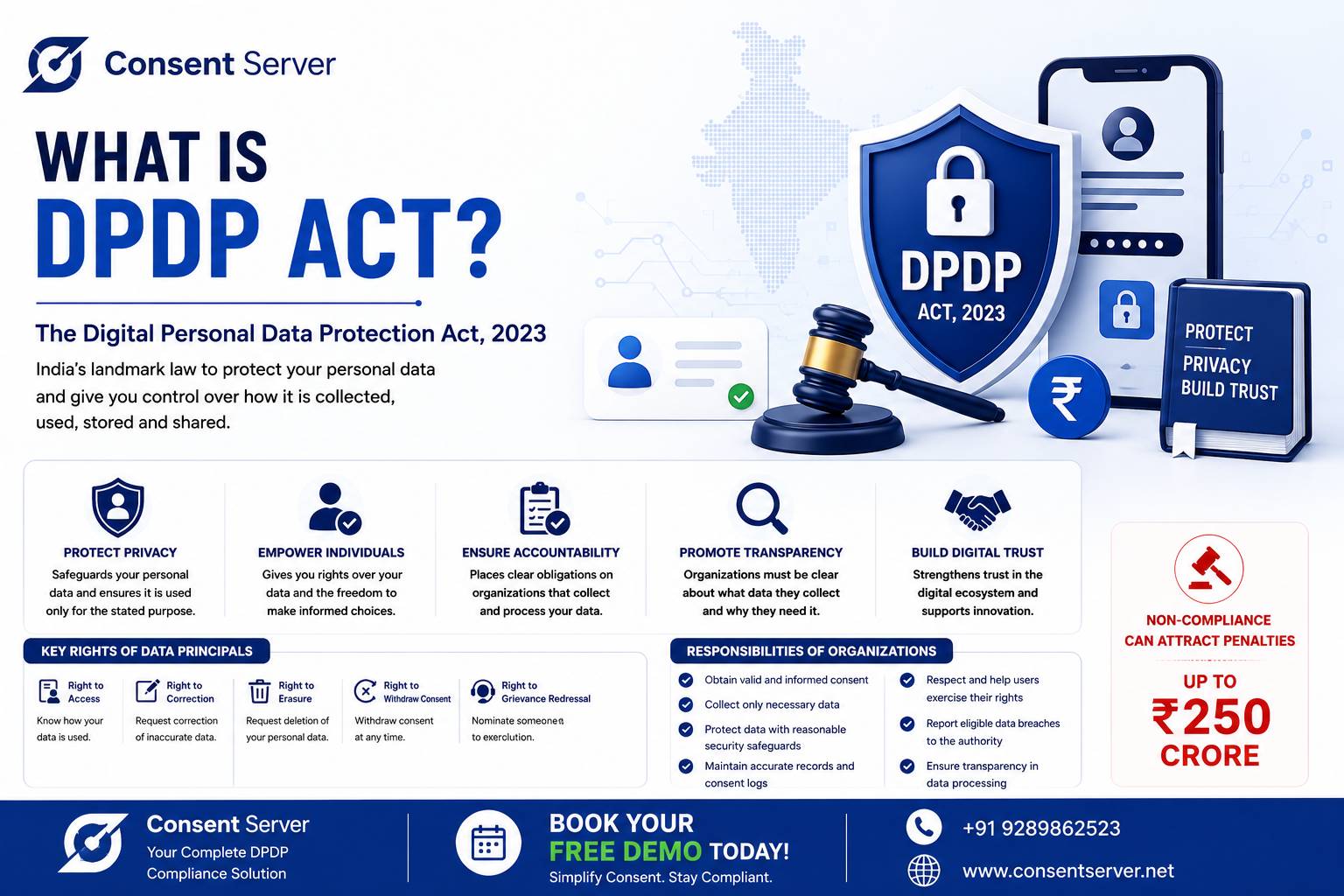
With the Digital Personal Data Protection (DPDP) Act, 2023 becoming a key part of India's privacy framework, businesses across every industry are expected to strengthen how they collect, process, store, and protect personal data.
As organisations continue their compliance journey, 2026 is expected to be a crucial year for DPDP readiness. Businesses should be prepared to demonstrate that they have appropriate consent mechanisms, security safeguards, audit trails, and processes to protect personal data.
The biggest mistake organisations make is assuming that collecting consent alone is enough. In reality, a DPDP compliance audit evaluates your overall privacy governance, including how consent is managed, how personal data is protected, and whether your organisation can demonstrate compliance with the law.
This guide explains how to prepare your business for a DPDP compliance audit and how the right technology can simplify the process.
What is a DPDP Compliance Audit?
A DPDP compliance audit is a structured review of your organisation's data privacy practices. Its purpose is to assess whether your business is processing personal data responsibly and maintaining the necessary records and controls expected under the DPDP Act.
An audit may review:
- Consent collection processes
- Consent records
- Privacy notices
- Security safeguards
- User rights handling
- Data retention practices
- Incident response procedures
- Internal governance and accountability
The goal is to ensure that your organisation can demonstrate responsible handling of personal data.
Why Should Businesses Prepare Now?
Waiting until an audit request arrives can lead to unnecessary stress, operational disruption, and compliance gaps.
Preparing in advance helps organisations:
- Build customer trust
- Reduce regulatory risk
- Improve internal governance
- Identify compliance gaps early
- Strengthen cybersecurity
- Improve operational efficiency
Privacy readiness is no longer just a legal requirement—it is a competitive advantage.
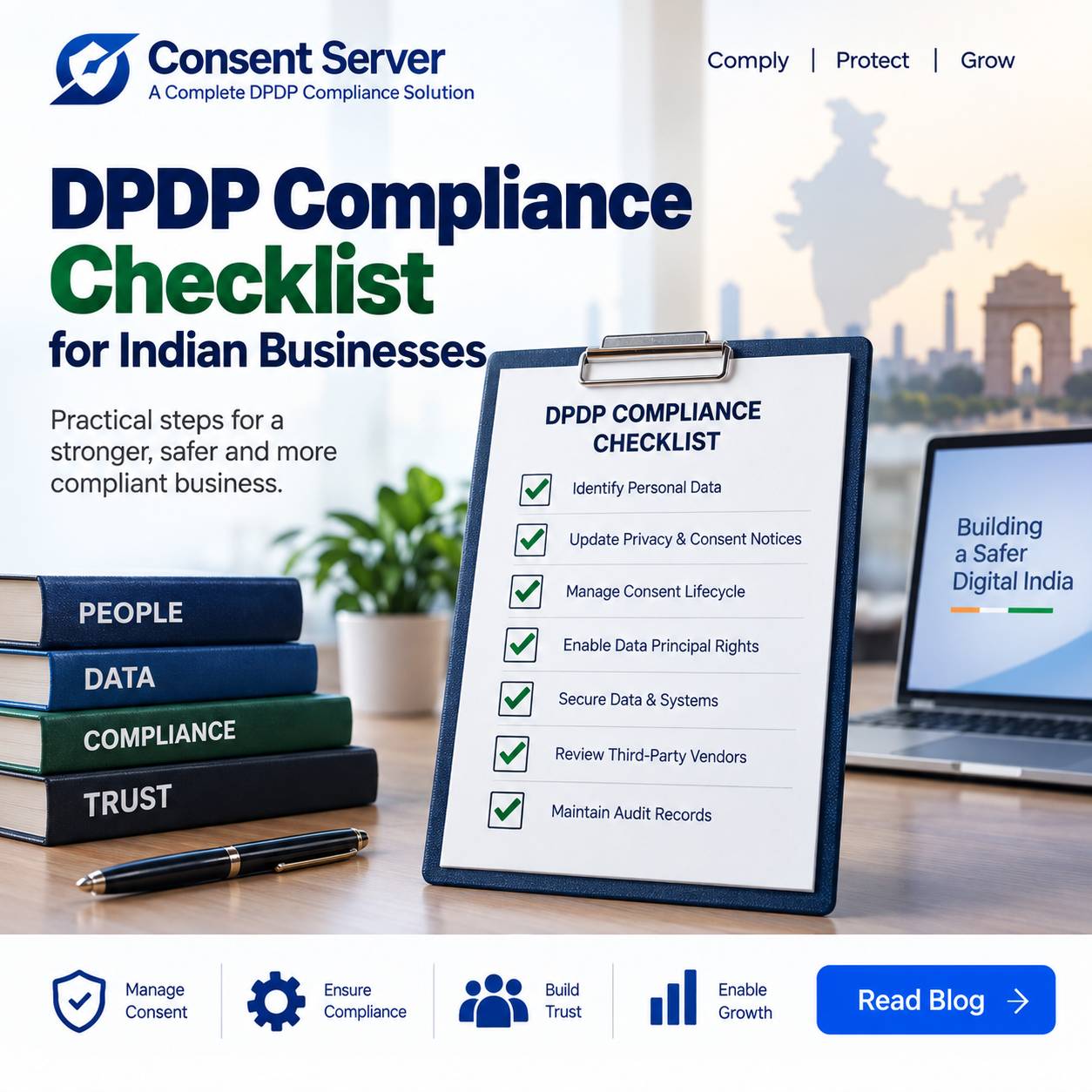
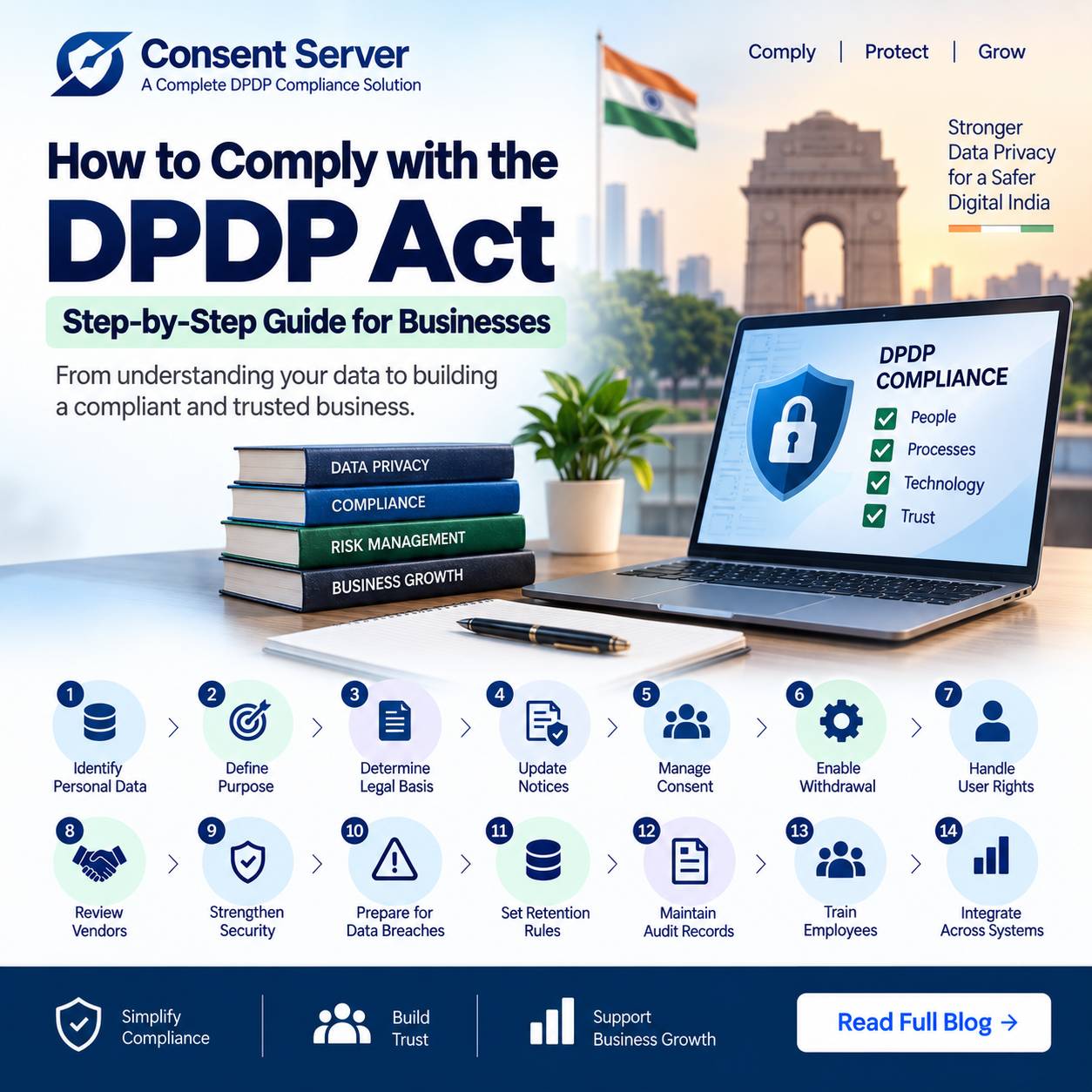
DPDP Audit Preparation Checklist
1. Know What Personal Data You Collect
Start by identifying every category of personal data your business processes.
Examples include:
- Customer names
- Mobile numbers
- Email addresses
- PAN details
- Aadhaar information
- Employee records
- Payment information
- Website registrations
- Marketing databases
Create
a clear inventory of where this data is stored and how it flows across your
organisation.
2. Review Your Consent Collection Process
One of the first things auditors may evaluate is whether consent has been collected appropriately.
Ask yourself:
- Is consent informed?
- Is it specific?
- Is it freely given?
- Can users withdraw consent easily?
- you prove when consent was obtained?
If you cannot answer these questions confidently, your consent process may need improvement.
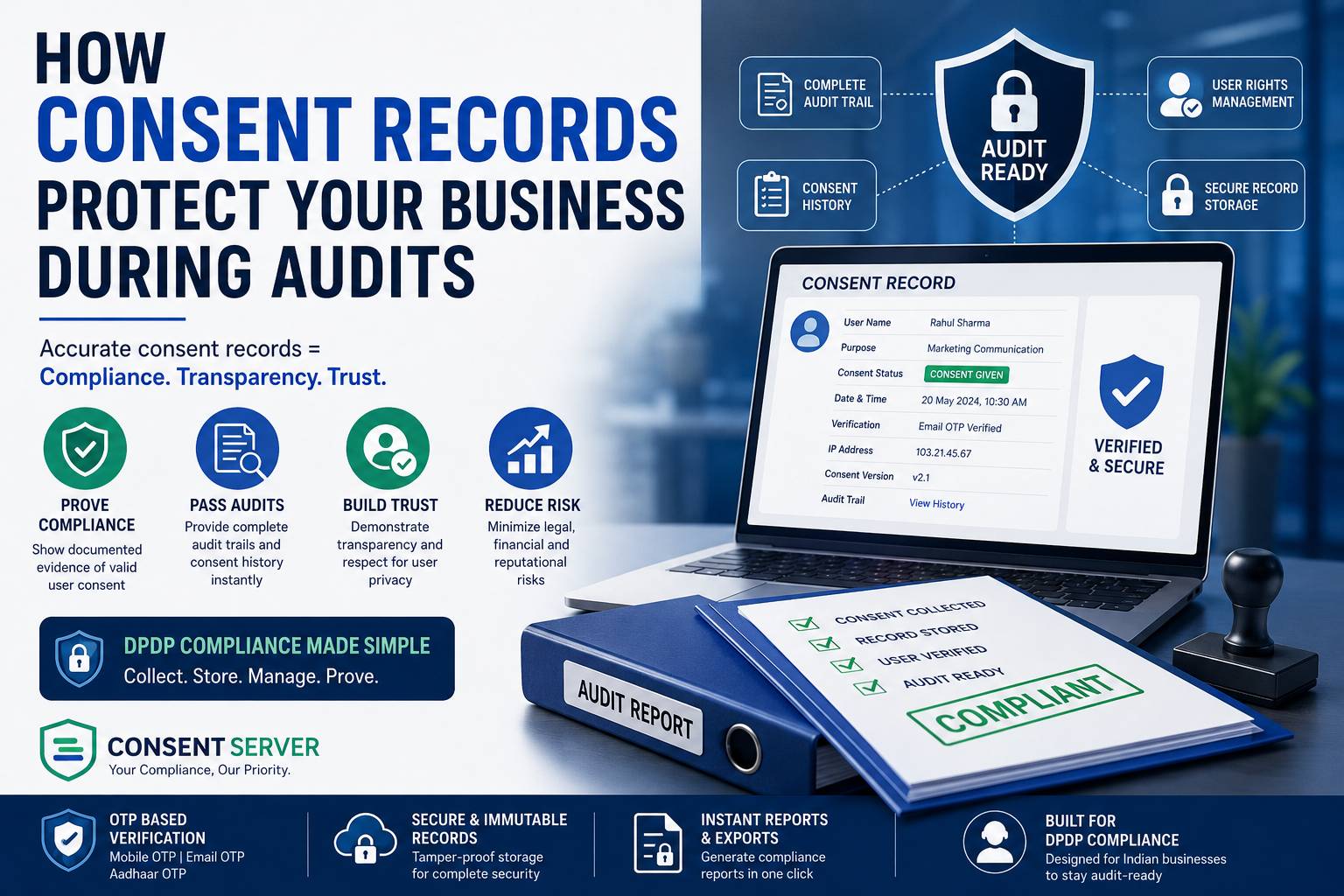
3. Maintain Audit-Ready Consent Records
Collecting consent is only half the job.
You should also maintain records such as:
- Consent timestamps
- Consent versions
- Purpose of collection
- Source of consent
- Consent updates
- Consent withdrawals
Having organised and verifiable records makes audits significantly easier.
4. Verify Your Security Controls
Organisations should implement reasonable safeguards to protect personal data.
Examples include:
- Data encryption
- Multi-factor authentication
- Access controls
- Role-based permissions
- Secure backups
- Vulnerability assessments
- Activity monitoring
Security is a continuous process rather than a one-time implementation.
5. Ensure User Rights Can Be Fulfilled
The DPDP Act recognizes several rights for Data Principals.
Your organisation should have a process to handle requests for:
- Access to personal data
- Correction of inaccurate data
- Erasure where applicable
- Withdrawal of consent
- Grievance redressal
A documented workflow for handling these requests demonstrates accountability.
6. Review Third-Party Data Processors
Many businesses rely on cloud providers, payment gateways, marketing platforms, and technology vendors.
Review:
- Data processing agreements
- Security practices
- Access permissions
- Data sharing arrangements
Ensure third parties align with your privacy and security expectations.
7. Train Employees
Employees play a critical role in compliance.
Provide regular training on:
- Data privacy
- Information security
- Consent handling
- Incident reporting
- Phishing awareness
- Customer data protection
A well-informed workforce reduces compliance risks.
8. Prepare for Data Breaches
No organisation is immune to security incidents.
Create an incident response plan covering:
- Detection
- Investigation
- Containment
- Documentation
- Communication
- Recovery
Regular testing helps ensure the plan works when needed.
9. Maintain Compliance Documentation
Audits rely heavily on documentation.
Keep records such as:
- Privacy policies
- Consent records
- Security policies
- Audit logs
- Data processing procedures
- Employee training records
- Incident reports
Well-organised documentation speeds up audits and demonstrates governance.
10. Conduct Internal Compliance Reviews
Don't wait for an external audit.
Regular internal assessments help identify gaps before they become compliance issues.
Review:
- Consent workflows
- Security controls
- Access permissions
- Vendor management
- Data retention practices
Continuous improvement strengthens compliance over time.
Common Mistakes Businesses Make
Many organisations unintentionally create compliance risks by:
- Relying only on website consent forms
- Failing to maintain consent records
- Ignoring user rights requests
- Not reviewing third-party vendors
- Poor documentation
- Weak access controls
- Lack of employee awareness
Avoiding these mistakes significantly improves audit readiness.
How Consent Server Simplifies DPDP Audit Readiness
Preparing manually for a compliance audit can be time-consuming and error-prone.
Consent Server provides a complete DPDP Compliance Platform that helps organisations stay audit-ready throughout the year.
Key Features
- Consent Collection & Management
- Consent Lifecycle Tracking
- Audit-Ready Consent Records
- SHA-256 Audit Logs
- User Rights Management
- Grievance Management
- Mobile OTP, Email OTP & Aadhaar OTP Verification
- Compliance Reporting
- API & Webhook Integrations
- Role-Based Access Control
- Secure On-Premise Deployment
By centralizing compliance activities, Consent Server reduces manual effort and helps organisations maintain accurate, verifiable records.
Benefits of Being Audit-Ready
Organisations that prepare early can:
- Demonstrate compliance confidently
- Reduce regulatory risks
- Improve customer trust
- Strengthen internal governance
- Respond to audits efficiently
- Enhance overall data security
Being audit-ready is not just about avoiding penalties—it reflects a mature and responsible approach to handling personal data.
Conclusion
As data privacy regulations continue to evolve, businesses should treat DPDP compliance as an ongoing process rather than a one-time project.
Preparing for a DPDP compliance audit means understanding your data, maintaining accurate consent records, implementing strong security controls, supporting Data Principal rights, and documenting your compliance efforts.
Organisations that invest in privacy today will be better equipped to meet future regulatory expectations and earn lasting customer trust.