DPDP Data Retention Automation | Simplify DPDP Compliance
Learn how DPDP data retention automation helps businesses manage personal data lifecycles, consent, erasure, and DPDP compliance with Consent Server.
DPDP Data Retention Automation: Why Businesses Need Automated Data Lifecycle Management
As businesses collect increasing amounts of customer and employee data, one important question is often overlooked:
How long should personal data be retained, and what happens when it is no longer required?
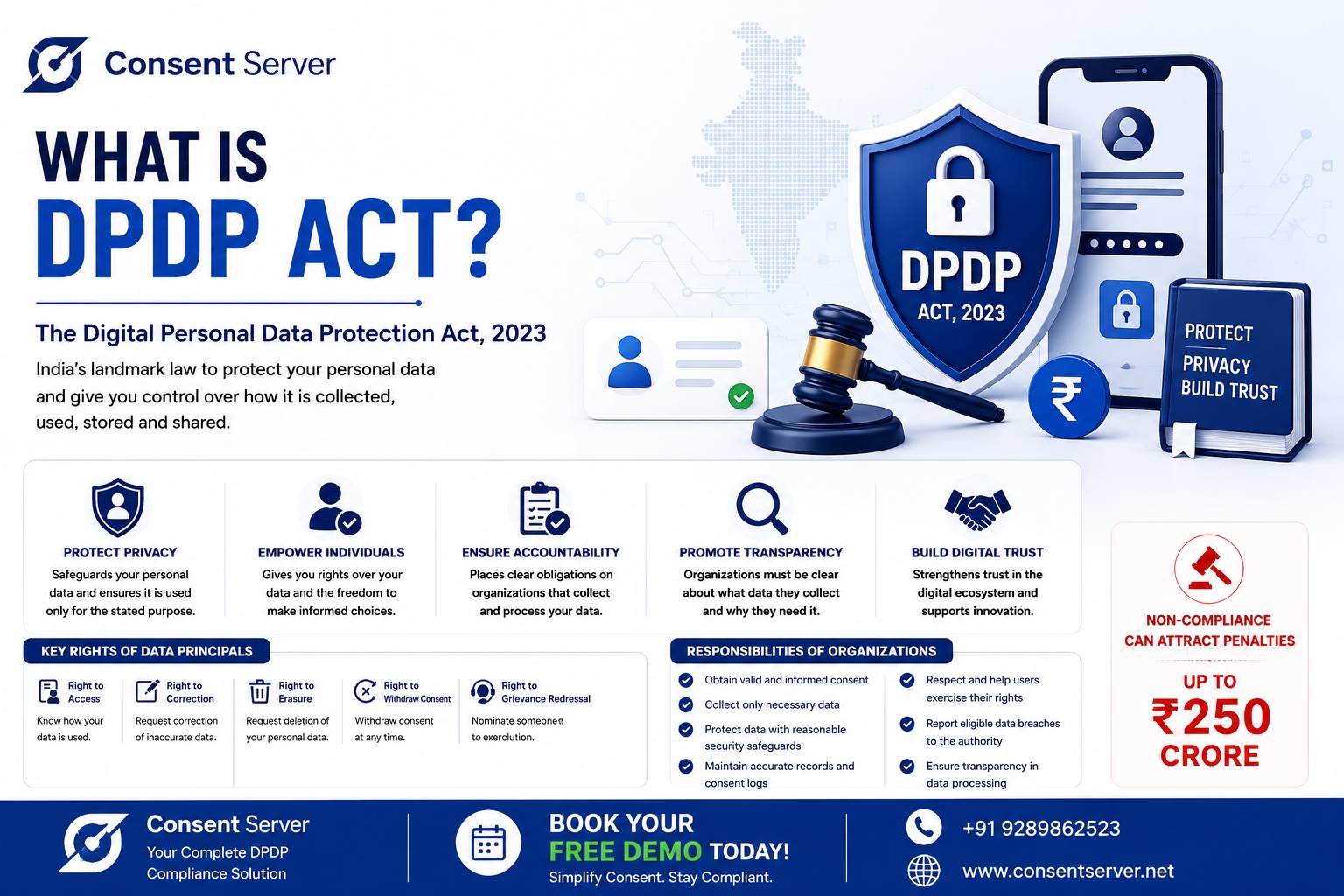
Under India's Digital Personal Data Protection (DPDP) Act, 2023, organisations need to manage personal data throughout its lifecycle. This makes data retention and erasure an important part of DPDP Compliance.
Managing thousands or millions of records manually can quickly become difficult. This is where DPDP Data Retention Automation can help businesses establish structured processes for retaining, reviewing, and erasing personal data.
What is Data Retention Under the DPDP Act?
Data retention refers to how long an organisation keeps personal data after collecting it.
Businesses may collect personal information for different purposes, such as:
- Customer registration
- Order fulfilment
- Employee management
- Customer support
- Marketing
- Financial transactions
- Subscription services
The retention period may vary depending on the purpose and other applicable legal requirements.
Under the DPDP Act, a Data Fiduciary generally needs to erase personal data when the Data Principal withdraws consent or when it is reasonable to assume that the specified purpose is no longer being served, unless retention is necessary for compliance with law.
Therefore, businesses need more than simply a database—they need a proper data lifecycle management process.
What is DPDP Data Retention Automation?
DPDP Data Retention Automation means using technology to automatically monitor personal data against predefined retention and lifecycle rules.
Instead of employees manually checking thousands of records, an automated system can help identify when:
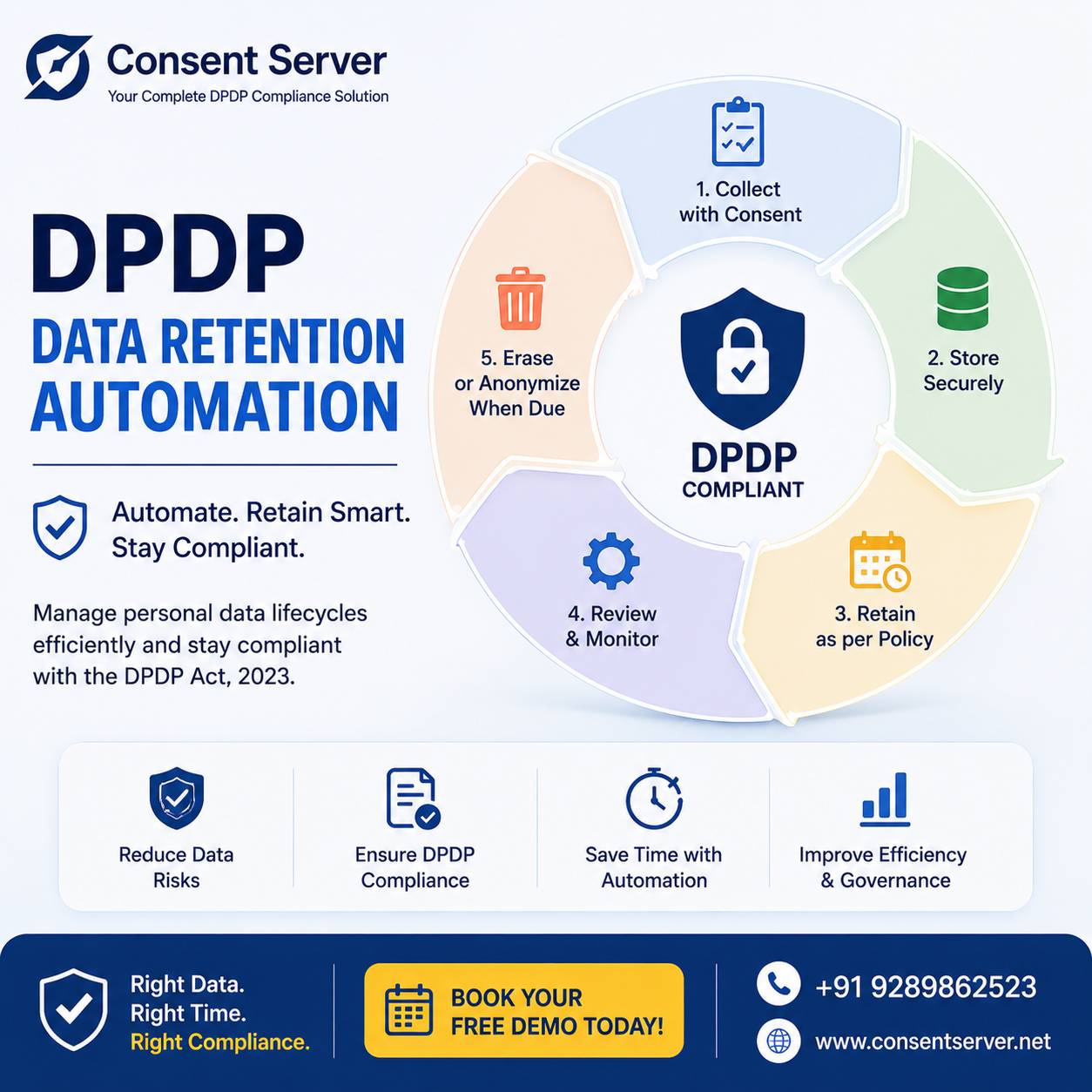
Data is collected → Purpose is active → Retention conditions are monitored → Consent changes → Purpose ends → Data becomes eligible for erasure
This can significantly reduce manual effort and improve consistency.
Why Manual Data Retention Can Become Risky
Many organizations still manage retention through spreadsheets, emails, or internal reminders.
As data volumes grow, this can result in:
- Personal data being retained unnecessarily
- Forgotten or outdated customer records
- Inconsistent deletion practices
- Difficulty tracking consent withdrawals
- Limited visibility into the data lifecycle
- Human errors
- Weak compliance evidence
A business may collect personal data today and completely forget about it five years later.
DPDP Compliance requires organizations to think about the complete lifecycle of personal data—not only its collection.
How Data Retention Automation Works
A structured automated workflow may look like this:
1. Define the Purpose
Every relevant data-processing activity should have a clearly understood purpose.
For example:
Purpose: Product Delivery
Customer information may be needed to process and deliver an order.
2. Apply Retention Rules
Businesses can establish appropriate retention rules based on the processing purpose and applicable legal requirements.
3. Monitor Consent Status
Where processing depends on consent, the system should track whether consent remains active or has been withdrawn.
4. Trigger Lifecycle Actions
When the applicable conditions are met, the system can trigger a workflow for review, deletion, anonymisation where appropriate, or another approved action.
5. Maintain Records
Organizations should maintain appropriate records of lifecycle actions so their compliance processes can be demonstrated when necessary.
Consent Management and Data Retention Are Connected
Consent Management should not end when a customer clicks "I Agree."
The complete consent lifecycle can include:
Consent Collection → Purpose Management → Consent Update → Withdrawal → Retention Review → Erasure
This is why businesses implementing a Consent Management Platform should consider how consent status connects with their data retention processes.
For example, when consent is withdrawn, the organization may need to determine which consent-based processing should stop and whether the relevant personal data should subsequently be erased, subject to other lawful retention requirements.
Benefits of DPDP Data Retention Automation
Automating data retention can help organizations improve:
Compliance: Apply retention processes more consistently.
Efficiency: Reduce repetitive manual reviews.
Data Minimisation: Reduce unnecessary accumulation of old personal data.
Security: Less unnecessary stored data can reduce the amount of information exposed if a security incident occurs.
Audit Readiness: Maintain structured records of lifecycle actions.
Scalability: Manage large volumes of personal data more effectively.
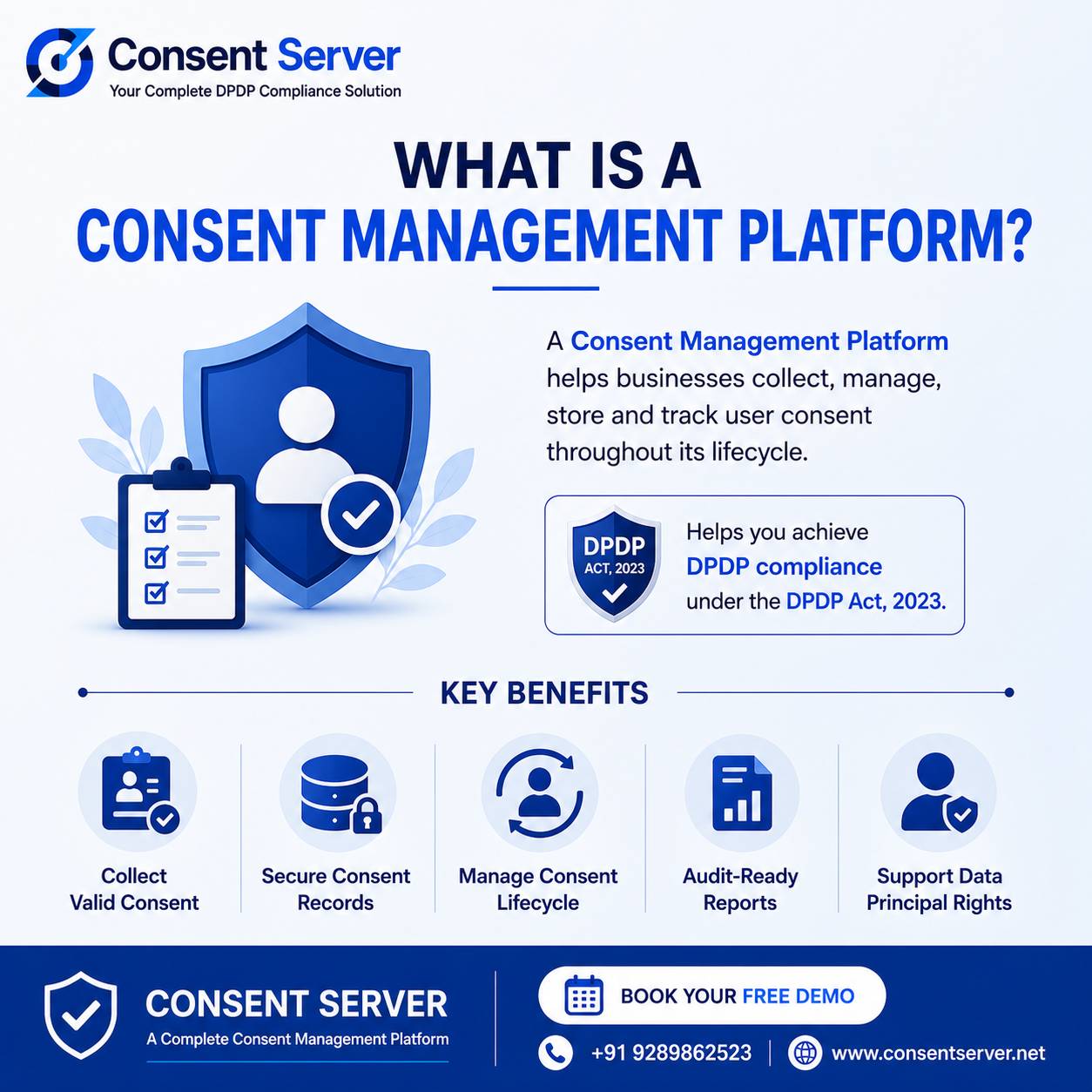
Role of a Consent Management Platform
A modern Consent Management Platform can provide the consent intelligence needed to support broader data lifecycle workflows.
It can help businesses understand:
- Who provided consent
- Which purpose the consent covers
- When consent was obtained
- Whether consent is active
- Whether it has been modified
- Whether it has been withdrawn
- Which systems or workflows may be affected
This information can then support retention and erasure decisions.
How Consent Server Helps
Consent Server is a comprehensive Consent Management Platform designed to help Indian businesses simplify DPDP Compliance and automate important consent lifecycle processes.
With Consent Server, organisations can manage:
- Consent Collection
- Purpose-Based Consent
- Consent Lifecycle
- Consent Withdrawal
- Data Principal Requests
- Lifecycle Automation
- Audit Logs
- Compliance Records
- Grievance Management
- APIs & Webhooks
- Centralized Compliance Dashboard
By connecting Consent Management with lifecycle automation, organisations can establish more structured processes for responding when consent changes or personal data reaches the end of its required lifecycle.
From Manual Retention to Automated Compliance
Consider two organisations.
Business A maintains thousands of customer records across Excel sheets, CRMs, databases, and marketing platforms. Employees manually determine what should be retained or deleted.
Business B establishes defined purposes, consent records, retention policies, lifecycle triggers, and automated workflows.
Which organisation is better prepared to demonstrate structured DPDP Compliance?
Automation doesn't eliminate governance responsibilities, but it can make those responsibilities significantly easier to manage at scale.
Conclusion
DPDP Data Retention Automation is an important part of building a mature data privacy program.
Organisations need to understand not only how they collect personal data, but also how long they need it and what should happen when the purpose for retaining it ends.
Combining data retention policies with a reliable Consent Management Platform can help businesses manage consent status, lifecycle events, Data Principal requests, and compliance records more efficiently.